
Meditation: walking through A herd of elephants
Why meditation?
Meditation is one of the most profound forms of self-care—not because it helps us escape life, but because it helps us become more present for it. In the quiet, the body remembers how to rest. The nervous system softens, the breath deepens, and the mind gradually becomes less reactive. Over time, this gentle practice supports emotional resilience, mental clarity, and a deeper connection with yourself.
In a world that celebrates constant productivity, meditation offers something rare: permission to pause. These moments of stillness create space to process life's experiences, restore balance, and listen to the quiet wisdom that is so often drowned out by the noise of everyday life.
Meditation isn't about becoming someone different. It's about returning to the steadiness, peace, and awareness that have always been within you.
BUT WHAT IF I CAN'T?
Many people believe they're not good at meditating because they can't quiet their minds. But the mind isn't something to be forced into silence.
As Maharishi Mahesh Yogi often taught, trying to meditate can sometimes feel like walking through a herd of elephants. You don't push elephants out of your way—you move gently, patiently, allowing them to settle in their own time.
Meditation is much the same. Rather than battling your thoughts, you learn to relate to them with ease and discover the practice that naturally draws your awareness inward.
Meditation classes
I've designed a program that explores a variety of meditation styles so you can find the one that feels right for you.
Through simple, accessible practices, you'll experience deep rest, cultivate self-awareness, and reconnect with your inner stillness.
Over time, these practices become a steady source of clarity, resilience, and peace, helping you move through life's challenges with greater ease and presence.
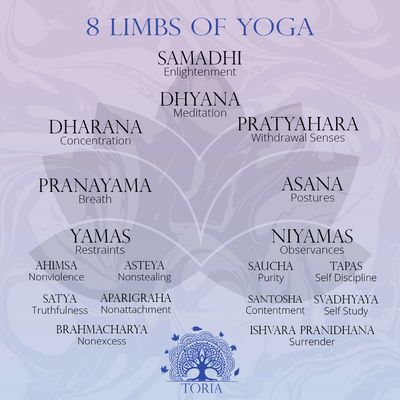
The Eight Limbs of Yoga
More than the poses
When many of us first hear the word yoga, we think of poses, stretching, flexibility, or perhaps a yoga class at the gym.
But the physical practice of yoga is only one part of a much larger tradition.
In the Yoga Sutras of Patanjali, yoga is described as an eight-limbed path—a collection of practices that help us explore how we live, how we relate to ourselves and others, how we care for the body and breath, and how we cultivate greater awareness and inner stillness.
You don't need to know Sanskrit, be flexible, or have any previous yoga experience to begin.
1. Yama — How We Relate to Others
The Yamas offer guidance for how we move through the world and relate to other people and living beings. They include practices such as non-harming, truthfulness, moderation, and non-grasping.
At its heart, this limb asks: How do I want to show up in the world?
2. Niyama — How We Relate to Ourselves
The Niyamas turn our attention inward. They include practices related to self-discipline, contentment, self-study, cleanliness or clarity, and connection to something greater than ourselves.
We might think of this as learning how to care for and understand our inner life.
3. Asana — The Physical Practice
Asana refers to the physical postures of yoga.
This is the part of yoga most familiar to us today, but traditionally the purpose wasn't to perform complicated poses. The physical practice helps us become more comfortable and aware in the body and prepares us for stillness and meditation.
At Prepared Soul, asana is approached gently. There is no perfect pose and no expectation that your body needs to look a certain way.
4. Pranayama — Working with the Breath
Pranayama is the practice of consciously working with the breath.
Breathing practices can help us become more aware of the connection between breath, body, energy, and mind. Sometimes this means using a particular breathing technique; sometimes it simply begins with noticing the breath.
5. Pratyahara — Turning Inward
Pratyahara is often translated as withdrawal of the senses.
Rather than constantly directing our attention toward everything happening around us, we begin turning our awareness inward.
Think of that moment when you close your eyes, settle your body, notice your breath, and allow the outside world to become a little quieter.
6. Dharana — Concentration
Dharana is focused attention.
We practice gently bringing the mind to one point—perhaps the breath, a mantra, a sensation, an image, or another object of concentration.
The mind will wander. That's normal. The practice is simply noticing and returning.
7. Dhyana — Meditation
Dhyana is meditation—a more continuous state of awareness that can develop as concentration deepens.
Rather than trying to force the mind to become completely empty, meditation gives us an opportunity to observe, listen, and become more present.
8. Samadhi — Integration
Samadhi is traditionally described as a state of deep absorption or union, in which the usual sense of separation between ourselves and the object of meditation becomes less distinct.
It isn't something we need to chase or accomplish. It represents the deepening of the practices that come before it.
Yoga Is More Than the Poses
The Eight Limbs remind us that you don't have to be flexible to practice yoga.
Yoga can happen while you're sitting in a chair, breathing consciously, practicing kindness, studying yourself, focusing your attention, or sitting quietly in meditation.
The poses are one doorway.
To a mind that is still, a whole universe surrenders. ~Lao Tzu Close your eyes, fall in love, stay there. ~Rumi When will you begin that long journey within yourself?~Rumi

Silence is the language of god. ~Rumi


